
When it comes to exterior painting, the type of paint you choose matters just as much as the color. The right choice determines how long the paint lasts, how well it withstands harsh weather, and how much maintenance your home will need in the future. Among homeowners and professionals, the debate of oil-based vs. water-based paint is one of the most common questions. Both options have strengths and weaknesses, but understanding these differences will help you make the best decision for your property.
At Junior Painting Group, our team specializes in Exterior Painting Services Winter Garden, FL, and we’ve worked with both types of paints extensively. In this blog, we’ll explain the differences, benefits, and drawbacks of oil-based and water-based paints, along with expert recommendations to guide your next exterior project.
What is Oil-Based Exterior Paint?
Oil-based paint is made using natural oils (like linseed oil) or synthetic oils (alkyd). It has been the traditional choice for decades because of its strong durability and ability to create a smooth, glossy finish.
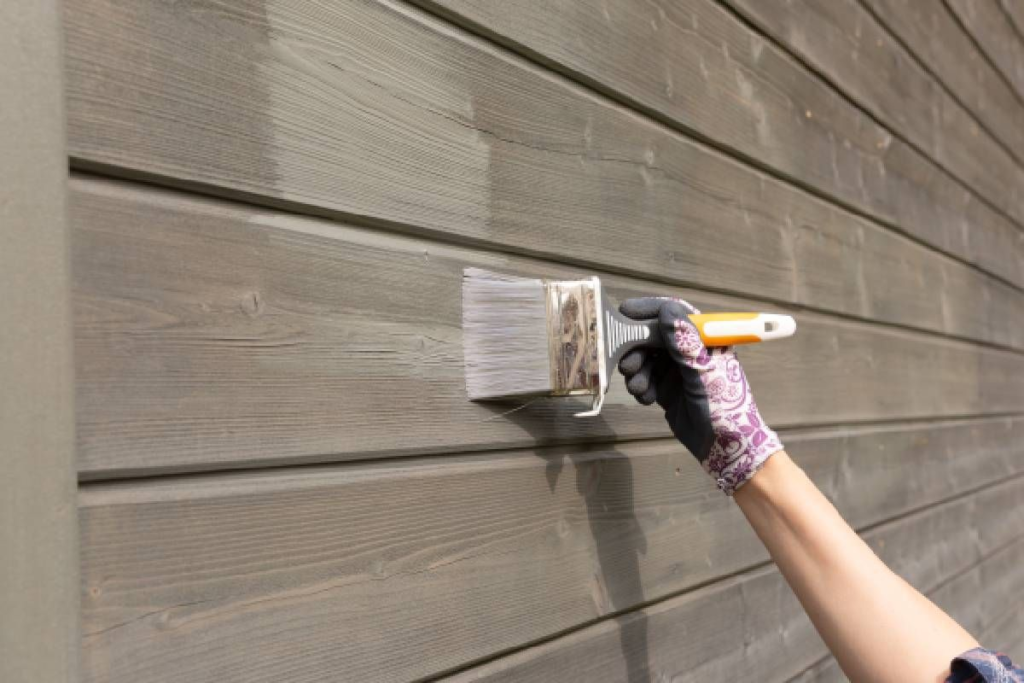
Key Benefits of Oil-Based Paint:
- Provides a tough and durable surface, ideal for high-traffic areas.
- Creates a rich, glossy look that enhances trims, doors, and railings.
- Excellent at blocking stains and covering imperfections.
- Works well on porous surfaces like wood, where strong adhesion is needed.
Limitations of Oil-Based Paint:
- Takes a long time to dry, which can delay projects.
- Has a strong odor and releases higher VOCs (volatile organic compounds).
- Requires solvents like turpentine or mineral spirits for cleanup.
- Lacks flexibility, which means it can crack or yellow over time, especially in humid climates.
Oil-based paint is best for trim work, doors, railings, or areas that need a strong, glossy finish. However, it may not be ideal for entire exterior walls in places like Florida, where humidity and weather changes are frequent.
What is Water-Based (Acrylic/Latex) Exterior Paint?

Water-based paints, commonly known as latex or acrylic paints, use water as the binder. Over the years, advances in paint technology have made them the preferred option for most exterior projects.
Key Benefits of Water-Based Paint:
- Quick drying time – touch-dry within an hour.
- Eco-friendly and low odor, with fewer VOCs.
- Flexible and resists cracking, making it ideal for climates with humidity or temperature fluctuations.
- Easy cleanup with soap and water.
- Maintains color longer, resisting fading caused by UV exposure.
Limitations of Water-Based Paint:
- May require more coats for complete coverage compared to oil-based.
- Does not provide the same glossy finish as oil-based paints.
- Can sometimes struggle with adhesion on very smooth or previously oil-painted surfaces unless primed correctly.
Because of their flexibility and durability, water-based paints are excellent for Exterior House Painting Services Winter Garden, FL, especially on stucco, siding, and masonry.
Oil-Based vs. Water-Based Paint: Key Differences
Here’s a breakdown of how they compare:
- Drying Time
- Oil-based: Several hours to dry.
- Water-based: Dries quickly, making it easier to apply multiple coats in one day.
- Durability & Flexibility
- Oil-based: Hard and durable but rigid, prone to cracking.
- Water-based: Flexible, expands and contracts with the surface, great for changing climates.
- Appearance
- Oil-based: Glossy, smooth finish.
- Water-based: Available in matte, satin, and semi-gloss finishes but less shiny.
- Maintenance & Cleanup
- Oil-based: Requires strong solvents for cleaning brushes and spills.
- Water-based: Easy cleanup with soap and water.
- Environmental Impact
- Oil-based: Higher VOCs, less eco-friendly.
- Water-based: Low VOC, safer for your family and the environment.
Factors to Consider Before Choosing
When deciding between oil-based and water-based paints, keep these points in mind:
- Climate: In Florida’s hot, humid weather, water-based paints perform better since they resist cracking and fading.
- Surface Type: Oil-based works well for trims, railings, and doors; water-based excels on siding, stucco, and large walls.
- Desired Look: Oil-based gives a glossy, high-shine finish, while water-based offers a modern, matte or satin appearance.
- Maintenance Needs: If you want low-maintenance paint that’s easy to touch up, water-based is the better choice.
When to Use Oil-Based Paint for Exteriors
Oil-based paints are ideal in these scenarios:
- Painting wooden trim, doors, or window frames that need a glossy finish.
- Coating metal railings, gates, or furniture for extra durability.
- Projects where long-term stain resistance is more important than flexibility.
When to Use Water-Based Paint for Exteriors
Water-based paints are better suited for:
- Large wall areas such as stucco, masonry, siding, or concrete.
- Homes in climates with humidity, frequent rain, or strong sun exposure.
- Projects requiring faster turnaround times since it dries quickly.
- Eco-conscious homeowners who want a safer, low-VOC option.
Expert Recommendation
While oil-based paints still serve a purpose, most modern professionals—including our team at Junior Painting Group—recommend water-based paints for exteriors. They’re durable, flexible, eco-friendly, and designed to withstand Florida’s challenging climate.
That said, the choice isn’t always one-size-fits-all. In many homes, a combination of both works best—for example, water-based paint for the walls and oil-based for the trim and accents.
Conclusion
The debate of Oil-Based vs. Water-Based Paint doesn’t have a universal winner—it depends on your home, climate, and preferences. Oil-based paints are excellent for specific details, while water-based paints are the modern standard for exterior walls.
If you’re planning a project and want expert advice, trust Junior Painting Group. Our experienced painters specialize in Exterior Painting Services Winter Garden, FL, delivering professional guidance and flawless results. Whether you need a full home makeover or detailed trim work, our Exterior House Painting Services Winter Garden, FL ensure your property looks beautiful and remains protected for years to come.